
Feedback
AI Ad Video Example
Loading...
MiniMax H3 prompt
Explore the MiniMax H3 prompt approach — plan each scene's timing, camera angles, and audio cues, then render 2K video with built-in stereo sound.
All Tools
Discover our comprehensive AI-powered animation toolkit
MiniMax H3
MiniMax H3 AI Video Generator
Seedance 2.5
The Future of AI Video Is Here.
Seedance 2.0
The Future of AI Video Is Here.

Veo3.1
Create Stunning Videos with Veo3.1
Kling 3.0
Next-Gen AI Video Generator
Grok Video Generator
Create Videos from Text or Images with AI
MiniMax H3 video generator
MiniMax H3 AI Video Generator
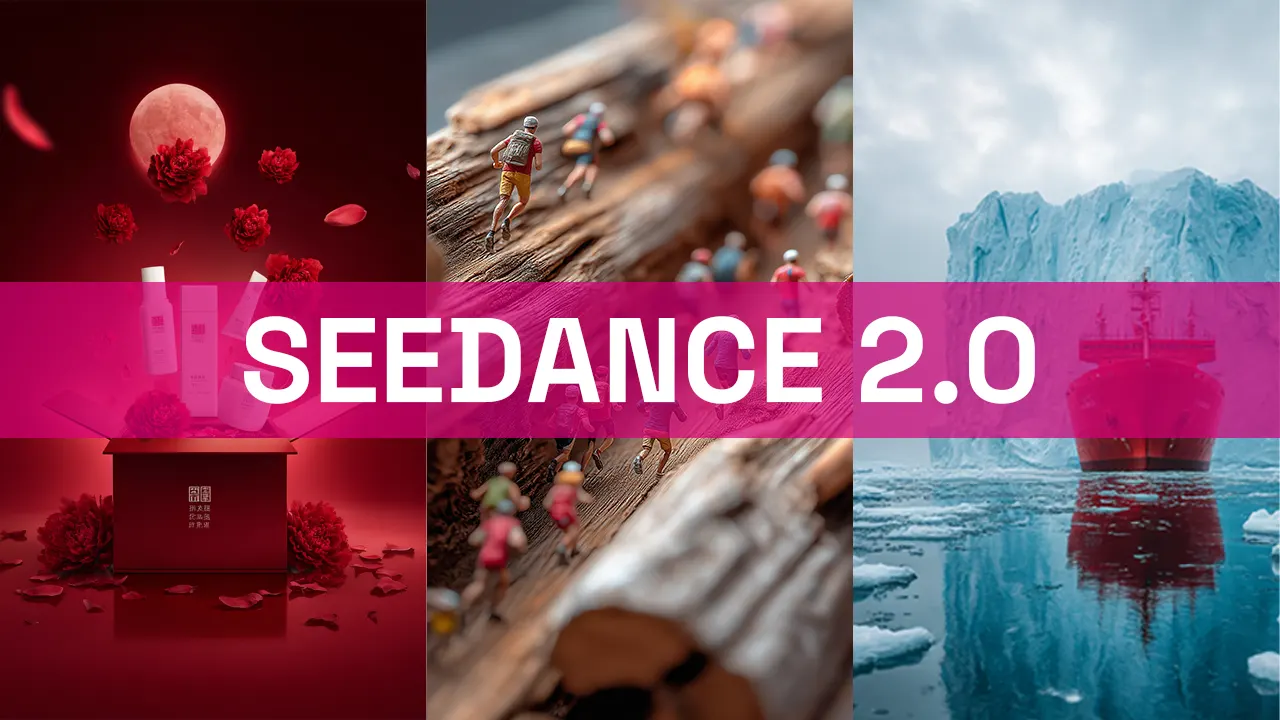
Seedance 2.0
The Future of AI Video Is Here.
Take Creative Control with the MiniMax H3 prompt
Mastering the MiniMax H3 prompt gives you command of an open-weight multimodal video engine that renders 5–15 second clips at 2K resolution with 24 fps and native stereo audio. Each request can hold up to 7,000 characters, so you can define reference asset roles, arrange shot sequences by timestamp, direct camera movement and audio design, and preserve character consistency from scene to scene.
- Assign Roles to Every ReferenceThe most effective MiniMax H3 prompt technique: explicitly state what each image, video segment, or audio track should contribute — atmosphere, subject, product, visual style, or voice.
- Timestamped Shot SequencesSplit complex scenes into time-coded chunks like [0–2s] and [2–4s] within a single MiniMax H3 prompt, avoiding static slideshow pacing and giving your story a real rhythm.
- Direct Sound with Cinematic PrecisionDescribe music structure, effects, and voice cloning as carefully as your visuals in the MiniMax H3 prompt — covering sub-bass, hi-hats, foley, and dialogue timing.
Step-by-Step Guide to a MiniMax H3 prompt
Assemble a polished MiniMax H3 prompt using a 5-step process that leads to 2K video with well-synced sound.
Essential MiniMax H3 prompt Methods
Proven practices from the MiniMax H3 prompt guide: reference job assignment, timestamped scene breakdowns, audio control, negative instructions, identity continuity, edit constraints, camera language, and physical-event transitions — all aimed at precise, professional video generation.
Using Negative Instructions
The MiniMax H3 prompt approach tells you exactly what to forbid — like 'no soft dissolves', 'no garbled text', or 'no jump scares' — so the model avoids unwanted results.
Locking Character and Object Identity
Keep people, products, and environments consistent between cuts: list distinguishing traits such as hairstyle, clothing, props, and typography in the MiniMax H3 prompt.
Combining Edits with Stability Rules
When adjusting a scene, combine each change with constraints that protect the rest of the frame in the MiniMax H3 prompt — targeted edits rather than full rebuilds.
Cinematic Camera and Lens Vocabulary
Bring shot size, lens effects, exposure, and film texture into the MiniMax H3 prompt — such as handheld motion, focus pulls, wide-angle distortion, and grain.
Cuts Described as Real-World Actions
Write transitions as physical events — camera whips, motion blur, light streaks, exposure pops — which outperforms naming preset effects in the MiniMax H3 prompt.
Full Control with 7,000 Characters
One MiniMax H3 prompt can carry a complete shot plan and audio design — entire scene, timestamped actions, sound direction, and limits all in a single call.
MiniMax H3 prompt: Top Questions Answered
Find straightforward answers to frequent questions about crafting effective MiniMax H3 prompts for the video model.
What can you find in the MiniMax H3 prompt guide?
The MiniMax H3 prompt guide is a collection of prompting best practices for MiniMax's open-weight multimodal video generator. It explains reference role assignment, timestamp-based shots, sound direction, negative instructions, identity continuity, and cinematic language to produce 2K video with built-in stereo audio.
How many characters can a MiniMax H3 prompt use?
A single MiniMax H3 prompt can reach 7,000 characters, giving you room for a full scene list with beat-by-beat timing, camera moves, audio design, and all your restrictions.
How can I use multiple reference assets effectively?
In the MiniMax H3 prompt, give every reference a specific role — 'Image 1 for atmosphere, Image 2 for the performer, Audio 1 for narration' — with support for up to 9 images, 3 video clips, and 3 audio files.
Is it important to describe audio in the prompt?
Absolutely. Think of audio as part of the scene in the MiniMax H3 prompt: outline music arrangement, instrument cues, foley, and spoken lines so the built-in audio matches the visuals.
How can I keep characters looking the same throughout the video?
Maintain identity by specifying standout traits such as hairstyle, clothing, accessories, and setting in the MiniMax H3 prompt, then repeat those details through every timed segment and edit.
What should you avoid when composing a prompt?
Avoid unclear timing and unwanted aesthetics. Use time-stamped segments rather than slide-show-style sequences, and include negative instructions in the MiniMax H3 prompt to block what you don't want.
Start Composing Your MiniMax H3 prompt Now
Use the MiniMax H3 prompt guide to create 2K video with built-in stereo sound — combining timestamped shot lists, reference roles, cinematic lens language, and exact audio direction in a single prompt.